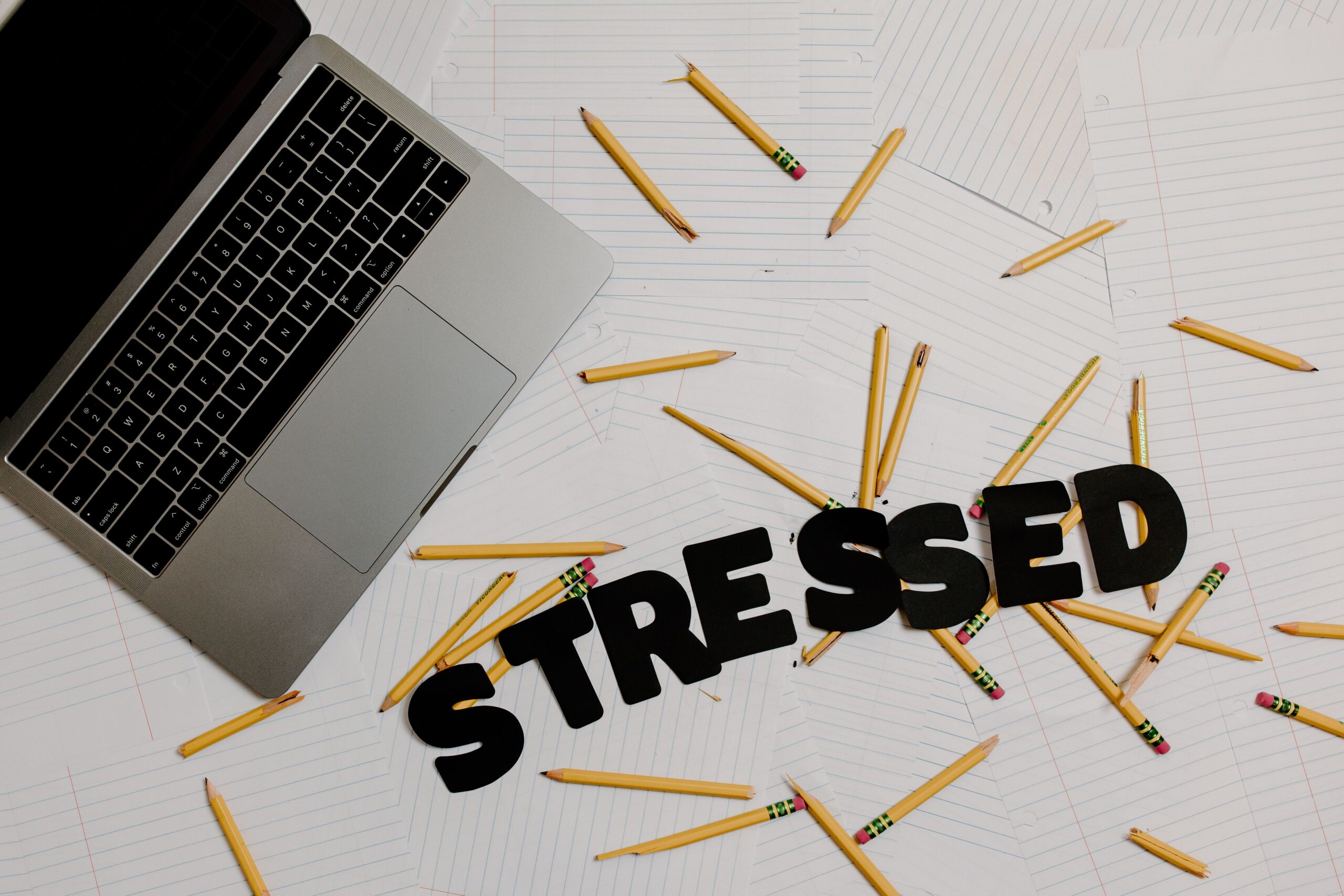
Let’s Talk About: Stressors vs. Stress
Stressors are the events.
Stress is your body’s response.
The traffic jam isn’t stress.
The racing heart, tense shoulders, and overwhelmed feeling? That’s stress.
Knowing the difference gives you more control over what you can change.
What Are Stressors?
Stressors are external (or internal) demands placed on you.
Examples include:
- Work deadlines
- Financial concerns
- Conflict in relationships
- Parenting challenges
- Health issues
- Major life changes
Some stressors can be removed.
Others need to be managed.
What Is Stress?
Stress is your mind and body’s reaction to a stressor.
It can look like:
- Feeling anxious or irritable
- Difficulty concentrating
- Muscle tension
- Trouble sleeping
- Headaches
- Feeling emotionally exhausted
Two people can experience the same stressor but have very different stress responses.
You Can Reduce Stress Even When You Can’t Remove the Stressor
When you can’t eliminate the challenge, focus on regulating your response.
Try:
• Taking slow, intentional breaths
• Moving your body
• Setting healthy boundaries
• Asking for support
• Prioritizing sleep and recovery
• Challenging unhelpful thoughts
Managing stress isn’t about avoiding life—it’s about increasing your capacity to handle it
You may not control every stressor.
But you can learn skills that reduce the impact stress has on your mind and body.
Takeaway
Understanding the difference is the first step toward feeling more resilient.
We often use the words stress and stressors interchangeably, but they’re different.
A stressor is the situation. Stress is your body’s response to that situation.
Recognizing the difference can help you decide where to focus your energy:
✔️ Can I change the stressor?
✔️ If not, how can I support my nervous system?
Building resilience isn’t about eliminating every challenge. It’s about learning how to respond in ways that protect your mental and physical well-being.
If stress is affecting your relationships, sleep, work, or overall quality of life, therapy can help you develop practical tools to navigate it.