Struggling With Popcorn Brain?
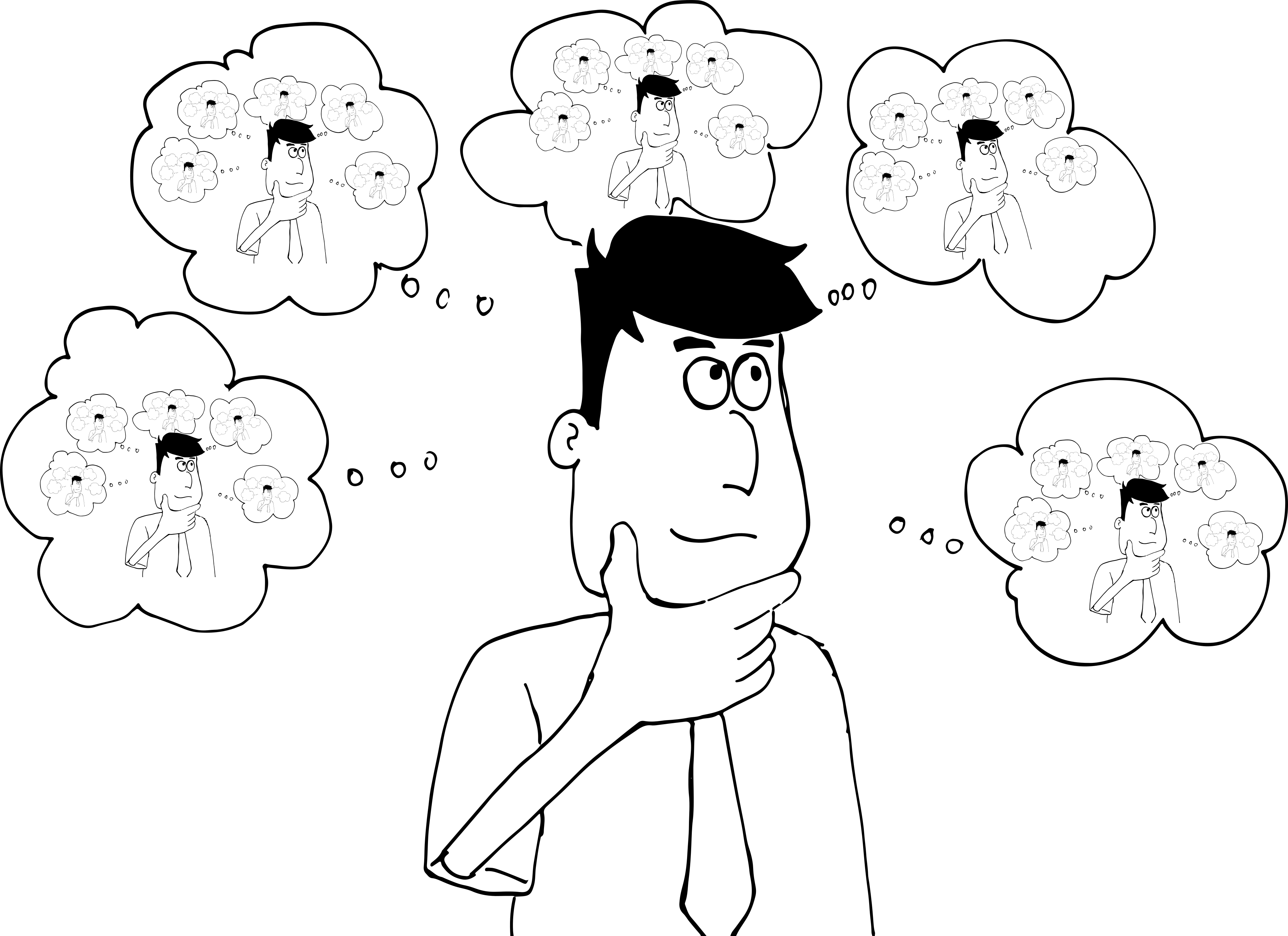
Thomas Laudate, Ph.D., a Clinical Neuropsychologist at Tufts Medical Center in Boston describes a popcorn brain as a a cognitive state characterized by fragmented attention, scattered thoughts, and a tendency to rapidly switch between topics without hesitation. This phenomenon has become increasingly relevant in our digital age, where constant stimuli from technology and social media contribute to mental overload.
Characteristics of Popcorn Brain
Individuals experiencing popcorn brain often exhibit the following symptoms:
- Scattered Thoughts: Difficulty maintaining a coherent train of thought.
- Low Attention Span: Challenges in focusing on tasks for extended periods, leading to decreased productivity.
- Mental Exhaustion: A feeling of being overwhelmed by the constant influx of information.
- Increased Anxiety and Stress: The relentless stimulation can heighten feelings of anxiety and stress, impacting overall mental health.
- Impaired Memory and Decision-Making: A lack of focused attention can result in forgetfulness and poor decision-making abilities
Causes
The primary cause of popcorn brain is the overuse of technology, particularly social media. Platforms designed to capture attention—through notifications, infinite scrolling, and targeted ads—exacerbate the problem by promoting compulsive usage patterns. This constant demand for attention activates the brain’s reward pathways, creating a cycle that diminishes our ability to focus on singular tasks.
Additionally, the phenomenon is linked to a general decline in collective attention spans due to the overwhelming volume of content available online. Research indicates that multitasking and frequent task-switching lead to reduced comprehension and retention of information.
Implications for Mental Health
The impact of popcorn brain extends beyond mere distraction. It can lead to:
- Relationship Strain: Difficulty focusing on interpersonal interactions can foster feelings of disconnect and loneliness.
- Decreased Happiness: The inability to be present in the moment may diminish overall happiness and satisfaction with life.
- Cognitive Decline: Prolonged exposure to this mental state can impair emotional regulation and stress management abilities